

Hey there! As a supplier of Ceramic Dewatering Element Wet Suction Box Covers, I often get asked about the safety precautions when using these nifty products. So, I thought I'd sit down and write this blog to share all the important stuff you need to know.
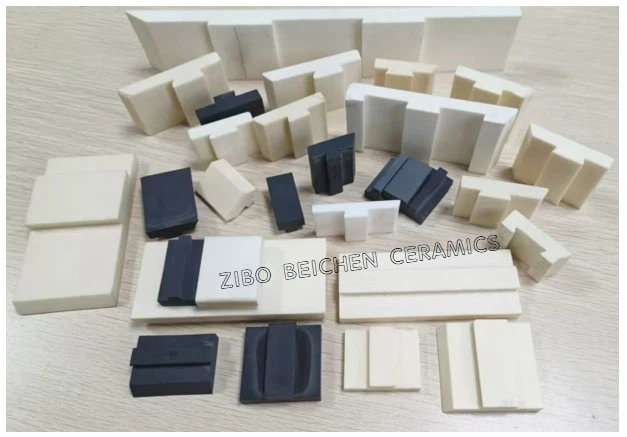
First off, let's talk a bit about what these Ceramic Dewatering Element Wet Suction Box Covers are. They're a key part in the dewatering process, mainly used in industries like papermaking. The Ceramic Dewatering Element Wet Suction Box Cover helps remove water from the pulp, making the paper - making process more efficient. There are also related products like the Ceramic Dewatering Element High Vacuum Suction Box Cover and the Ceramic Dewatering Element Flat Suction Box Cover, each with its own unique features and uses.
Now, onto the safety precautions.
Handling Precautions
When you're handling these ceramic dewatering elements, you've got to be extra careful. Ceramics are brittle materials, and they can break easily if you're not gentle. First, always wear protective gloves. This not only protects your hands from any sharp edges on the cover but also gives you a better grip. I've seen too many cases where people dropped the cover because their hands were slippery, and that led to a cracked or broken element.
When lifting the cover, use proper lifting techniques. Don't try to lift it from just one side or in an awkward way. Instead, distribute the weight evenly. If the cover is large, it's a good idea to have two or more people lift it together. This reduces the risk of dropping it and causing damage.
Installation Precautions
Installing the Ceramic Dewatering Element Wet Suction Box Cover is a crucial step, and it has to be done right. Before you start the installation, make sure the suction box is clean. Any dirt, debris, or old adhesive can affect the performance and the fit of the cover. Use a suitable cleaning agent to wipe down the surface of the suction box.
When positioning the cover, align it correctly. Check the dimensions and the markings on the cover and the suction box to ensure a proper fit. If it's not aligned correctly, it can lead to uneven dewatering and even damage to the cover over time.
During the installation, use the right tools. Don't force the cover into place with a tool that's too big or too small. Follow the manufacturer's instructions regarding the type of fasteners to use and how tight they should be. Over - tightening the fasteners can crack the ceramic, while under - tightening can cause the cover to come loose during operation.
Operating Precautions
Once the cover is installed and the system is up and running, there are still some safety things to keep in mind. First, monitor the vacuum pressure. The Ceramic Dewatering Element Wet Suction Box Cover is designed to work within a certain range of vacuum pressures. If the pressure is too high, it can put excessive stress on the ceramic, leading to cracks. On the other hand, if the pressure is too low, the dewatering process won't be effective.
Keep an eye on the temperature of the system. Extreme temperatures can also affect the ceramic. If the temperature is too high, it can cause the ceramic to expand and crack. Make sure the cooling system (if there is one) is working properly to maintain a stable temperature.
Regularly inspect the cover for any signs of wear and tear. Look for cracks, chips, or any other damage. If you notice any issues, stop the operation immediately and replace the cover. Continuing to use a damaged cover can not only lead to poor dewatering performance but also pose a safety risk, as pieces of the ceramic could break off and cause damage to other parts of the system.
Maintenance Precautions
Maintenance is key to keeping the Ceramic Dewatering Element Wet Suction Box Cover in good condition. Clean the cover regularly. Use a soft brush or a gentle cleaning solution to remove any pulp or debris that may have accumulated on the surface. Avoid using abrasive materials, as they can scratch the ceramic and reduce its lifespan.
If you need to remove the cover for maintenance, follow the reverse of the installation process. Be just as careful when removing it as you were when installing it. Store the cover in a safe place when it's not in use. Make sure it's placed on a flat, stable surface and protected from any potential impacts.
Storage Precautions
When storing the Ceramic Dewatering Element Wet Suction Box Cover, you've got to create the right environment. Store it in a dry place. Moisture can cause the ceramic to deteriorate over time. If possible, store it in a climate - controlled area to prevent any damage from extreme temperature changes.
Use proper storage racks or containers. This helps keep the cover in an upright position and prevents it from being crushed or damaged. Label the storage area clearly so that you can easily find the cover when you need it.
In conclusion, using a Ceramic Dewatering Element Wet Suction Box Cover can greatly improve the efficiency of your dewatering process, but it's important to follow these safety precautions. By handling, installing, operating, maintaining, and storing the cover correctly, you can ensure its long - term performance and reduce the risk of accidents and damage.
If you're in the market for high - quality Ceramic Dewatering Element Wet Suction Box Covers or have any questions about them, feel free to reach out. We're here to help you make the best choice for your needs and ensure a smooth and safe operation.

References
- Industry standards for ceramic dewatering elements in papermaking.
- Manufacturer's guidelines for Ceramic Dewatering Element Wet Suction Box Covers.