

Are ceramic dewatering covers affected by UV rays?
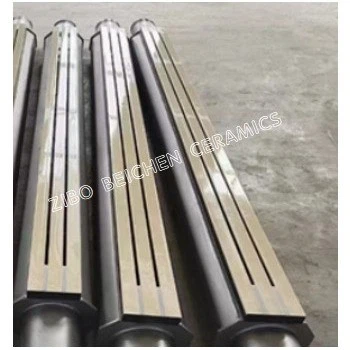
As a supplier of ceramic dewatering covers, I've received numerous inquiries from clients regarding the impact of UV rays on these products. This topic is of significant importance as many industrial applications where ceramic dewatering covers are used may expose them to sunlight, which contains UV rays. In this blog, I'll delve into the scientific aspects of whether ceramic dewatering covers are affected by UV rays and provide insights based on industry knowledge and research.
Understanding Ceramic Dewatering Covers
Before discussing the influence of UV rays, it's essential to understand what ceramic dewatering covers are and their functions. Ceramic dewatering covers are crucial components in various industrial processes, particularly in the paper and pulp industry, mining, and wastewater treatment. They are designed to facilitate the dewatering process by allowing water to pass through while retaining solids.
We offer a variety of ceramic dewatering covers, including Ceramic Dewatering Element Felt Suction Box Cover, Ceramic Dewatering Element Wet Suction Box Cover, and Ceramic Dewatering Element Flat Suction Box Cover. Each type has its unique features and is suitable for different applications, but they all share the common goal of efficient dewatering.
The Nature of UV Rays
UV rays are a part of the electromagnetic spectrum with wavelengths shorter than visible light. They are classified into three types: UVA, UVB, and UVC. UVC rays are mostly absorbed by the Earth's atmosphere and do not reach the surface. UVB rays are responsible for sunburn and can cause damage to living organisms. UVA rays, on the other hand, penetrate deeper into the skin and are associated with long - term skin aging and some forms of skin cancer. In the context of materials, UV rays can cause various forms of degradation, such as color fading, embrittlement, and loss of mechanical properties.
Impact of UV Rays on Ceramic Materials
Ceramics are inorganic, non - metallic materials that are generally known for their high heat resistance, hardness, and chemical stability. When it comes to UV rays, ceramics are relatively stable compared to many organic materials. The atomic structure of ceramics, which consists of strong ionic and covalent bonds, makes them less susceptible to the energy of UV rays.
The main reason ceramics are not significantly affected by UV rays is that the energy of UV photons is usually not sufficient to break the strong bonds within the ceramic lattice. Unlike polymers, which have weaker intermolecular forces and can be easily broken down by UV radiation, ceramics have a more rigid and stable structure.
For ceramic dewatering covers, this means that the basic dewatering function is unlikely to be directly affected by UV rays. The pores in the ceramic structure, which are responsible for allowing water to pass through, are not likely to change due to UV exposure. Additionally, the mechanical strength of the ceramic, which is crucial for maintaining the integrity of the dewatering cover during operation, remains relatively stable under normal UV exposure.
However, it's important to note that there are some secondary effects that could potentially occur. For example, if the ceramic dewatering cover has a coating or a surface treatment that contains organic components, these components may be affected by UV rays. Organic coatings can fade, crack, or become brittle over time when exposed to UV radiation, which could potentially affect the overall performance of the dewatering cover.

Factors Affecting the Susceptibility of Ceramic Dewatering Covers to UV Rays
Although ceramics are generally resistant to UV rays, several factors can influence the degree to which ceramic dewatering covers are affected.
1. Composition of the Ceramic
Different ceramic compositions have different levels of stability. For example, ceramics with a high content of certain metal oxides may have better UV resistance. Some metal oxides can act as UV absorbers, preventing the UV rays from penetrating deeper into the ceramic material.

2. Surface Finish
A smooth and dense surface finish can provide better protection against UV rays. Rough or porous surfaces may allow UV rays to penetrate more easily, potentially causing damage to the internal structure of the ceramic.
3. Duration and Intensity of UV Exposure
The longer the ceramic dewatering cover is exposed to UV rays and the higher the intensity of the UV radiation, the greater the potential for damage. In industrial settings where the covers are exposed to direct sunlight for extended periods, the risk of any potential UV - related degradation increases.

Testing and Quality Assurance
As a supplier, we conduct rigorous testing to ensure the quality and performance of our ceramic dewatering covers. Our testing procedures include simulated UV exposure tests to evaluate the long - term effects of UV rays on the products. By subjecting the covers to controlled UV radiation for extended periods, we can monitor any changes in their physical and chemical properties.
We also work closely with research institutions to stay updated on the latest scientific findings regarding the impact of UV rays on ceramics. This allows us to continuously improve our products and provide our clients with the most reliable ceramic dewatering covers.
Conclusion and Call to Action
In conclusion, ceramic dewatering covers are generally not significantly affected by UV rays due to the stable nature of ceramic materials. However, factors such as the presence of organic coatings, ceramic composition, surface finish, and the duration and intensity of UV exposure can have an impact.
If you're in the market for high - quality ceramic dewatering covers, we're here to assist you. Our Ceramic Dewatering Element Felt Suction Box Cover, Ceramic Dewatering Element Wet Suction Box Cover, and Ceramic Dewatering Element Flat Suction Box Cover are designed to meet the diverse needs of various industries. Contact us to discuss your specific requirements and explore how our products can enhance your dewatering processes.
References
- "Ceramics: Structure, Properties, and Applications" by John B. Wachtman.
- "UV Radiation and Its Effects on Materials" - A research paper from the International Journal of Material Science.
- Industry reports on the performance of ceramic dewatering covers in different environmental conditions.