

Hey there! As a supplier of Ceramic Dewatering Element Flat Suction Box Covers, I often get asked the question: "How often should a ceramic dewatering element flat suction box cover be replaced?" Well, there's no one - size - fits - all answer to this question, but I'm gonna break down the factors that can help you figure it out.
Understanding the Role of Ceramic Dewatering Element Flat Suction Box Covers
First off, let's quickly go over what these covers do. In the papermaking and other industrial processes where dewatering is crucial, these flat suction box covers play a key role. They're made of ceramic, which is known for its durability and excellent dewatering properties. The cover sits on the suction box, and as the pulp or other materials pass over it, the water is drawn through the ceramic pores by vacuum pressure. This helps in separating the water from the solids, which is essential for producing high - quality paper or other end products.
Factors Affecting the Replacement Frequency
1. Operating Conditions
The environment in which the suction box cover operates is a major factor. If the process involves harsh chemicals, high temperatures, or abrasive materials, the cover is likely to wear out faster. For example, in a paper mill where recycled paper is being processed, there might be more contaminants and abrasive particles in the pulp. These can scratch and erode the ceramic surface over time. On the other hand, if the process uses clean, virgin pulp and operates at relatively low temperatures and mild chemical conditions, the cover can last longer.
2. Vacuum Pressure
The amount of vacuum pressure applied is another important consideration. Higher vacuum pressures can increase the dewatering efficiency, but they also put more stress on the ceramic cover. Over time, this can lead to cracking or other forms of damage. If the vacuum pressure is set too high for an extended period, the cover may need to be replaced more frequently.
3. Flow Rate
The flow rate of the pulp or other materials passing over the cover also matters. A high flow rate can cause more wear and tear on the cover. The constant movement of the material can abrade the ceramic surface, especially if there are any solid particles in the flow. If the flow rate is not properly controlled, it can significantly reduce the lifespan of the suction box cover.
Signs That It's Time to Replace the Cover
1. Reduced Dewatering Efficiency
One of the most obvious signs that the cover needs to be replaced is a decrease in dewatering efficiency. If you notice that the water content in the end product is higher than usual, or if the vacuum system has to work harder to achieve the same level of dewatering, it could be a sign that the ceramic pores are clogged or the cover is damaged.
2. Visible Damage
Inspect the cover regularly for visible signs of damage. Cracks, chips, or excessive wear on the surface are clear indicators that the cover is no longer in good condition. Even small cracks can allow air to leak into the suction box, which can disrupt the dewatering process and reduce efficiency.
3. Increased Maintenance Requirements
If you find yourself having to perform more frequent maintenance on the suction box or the vacuum system, it could be because of a worn - out cover. For example, if you're constantly having to clean the vacuum lines due to blockages caused by debris from the damaged cover, it's probably time to replace it.
General Guidelines for Replacement
Based on our experience as suppliers, under normal operating conditions, a ceramic dewatering element flat suction box cover can last anywhere from 6 months to 2 years. However, in harsh operating environments, it may need to be replaced every 3 - 6 months. It's important to note that these are just rough estimates, and you should always monitor the performance of the cover and look for the signs mentioned above.
Our Product Range
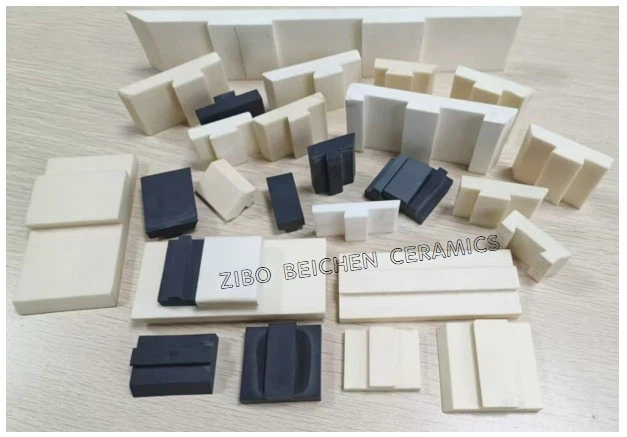
We offer a wide range of ceramic dewatering element flat suction box covers, along with other related products. Check out our Ceramic Dewatering Element High Vacuum Suction Box Cover for applications that require high - intensity vacuum dewatering. If you're dealing with wetter materials, our Ceramic Dewatering Element Wet Suction Box Cover is a great option. And of course, our Ceramic Dewatering Element Flat Suction Box Cover is designed to provide reliable performance in a variety of applications.

Conclusion and Call to Action
Figuring out how often to replace a ceramic dewatering element flat suction box cover can be a bit tricky, but by considering the operating conditions, monitoring for signs of wear and tear, and following the general guidelines, you can make an informed decision. If you're in the market for a new suction box cover or have any questions about our products, don't hesitate to reach out. We're here to help you find the best solution for your dewatering needs. Let's start a conversation and see how we can improve your process together.
References
- "Industrial Papermaking Processes: A Comprehensive Guide", published by Industry Press
- "Ceramic Materials in Industrial Dewatering Applications", research paper by Material Science Institute