

Hey there! As a supplier of Ceramic Dewatering Element Wet Suction Box Covers, I've been diving deep into the world of ceramics and their impact on these essential components. In this blog, I'm gonna share with you how the chemical composition of ceramic can affect a Ceramic Dewatering Element Wet Suction Box Cover.
Let's start with the basics. Ceramics are made up of various chemical elements and compounds, and each one plays a crucial role in determining the properties of the final product. The chemical composition can influence everything from the strength and durability of the suction box cover to its dewatering efficiency and resistance to wear and tear.
One of the key elements in ceramic is alumina (Al₂O₃). Alumina is known for its high hardness and strength, which makes it an ideal component for suction box covers. A higher alumina content in the ceramic can result in a more robust and long - lasting cover. It can withstand the high pressures and abrasive forces that occur during the dewatering process. For example, in a paper mill, where the suction box cover is constantly in contact with the paper pulp and water, a cover with a high alumina content can resist scratches and abrasions, ensuring a longer service life.
Silica (SiO₂) is another important component. Silica helps to improve the thermal stability of the ceramic. During the dewatering process, there can be significant temperature changes, and silica helps the ceramic to maintain its shape and integrity under these conditions. It also contributes to the smooth surface finish of the suction box cover. A smooth surface is essential for efficient dewatering as it reduces friction between the cover and the paper pulp, allowing water to be removed more easily.
Zirconia (ZrO₂) is often added to the ceramic composition for its toughening effect. Zirconia can increase the fracture toughness of the ceramic, which means the suction box cover is less likely to crack or break under stress. This is especially important in high - speed dewatering applications where the cover may be subjected to sudden impacts or vibrations.
Now, let's talk about how these chemical components affect the dewatering performance. The porosity of the ceramic is directly related to its chemical composition. A well - balanced combination of alumina, silica, and other elements can create a ceramic with the right amount of porosity. This porosity allows water to pass through the cover while retaining the paper fibers. If the porosity is too low, water may not be able to escape efficiently, leading to poor dewatering and a lower quality paper product. On the other hand, if the porosity is too high, the paper fibers may pass through the cover, causing blockages and reducing the overall performance of the dewatering system.
The surface chemistry of the ceramic also plays a role in dewatering. Some chemical components can create a hydrophilic surface, which means it attracts water. A hydrophilic surface can enhance the capillary action that draws water through the cover. This can significantly improve the dewatering efficiency, especially in applications where a high volume of water needs to be removed quickly.
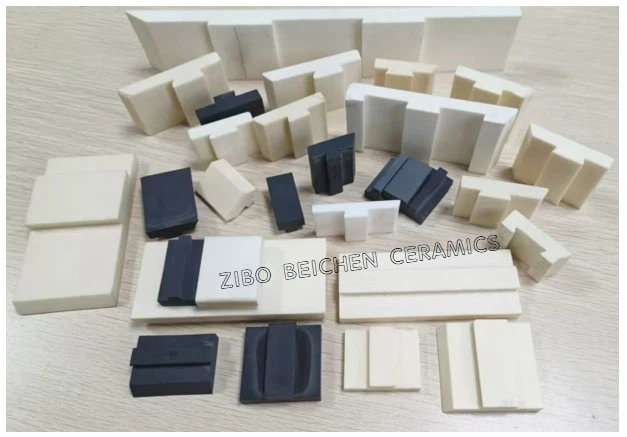
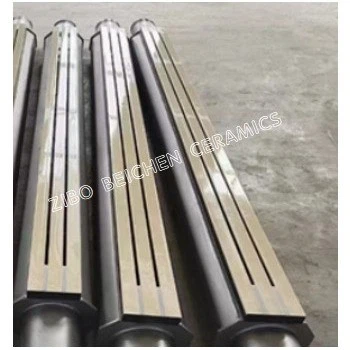
When it comes to the different types of Ceramic Dewatering Element Wet Suction Box Covers we offer, the chemical composition can be tailored to meet specific requirements. For instance, our Ceramic Dewatering Element Flat Suction Box Cover is designed with a composition that provides a flat and smooth surface for efficient water removal. The chemical balance ensures that it has the right combination of strength and porosity for this type of application.
Our Ceramic Dewatering Element Felt Suction Box Cover is engineered to work in conjunction with felt materials. The chemical composition is adjusted to prevent the felt from sticking to the cover and to maintain a consistent dewatering performance over time.
The Ceramic Dewatering Element High Vacuum Suction Box Cover is formulated to withstand high - vacuum conditions. The chemical components are carefully selected to provide the necessary strength and resistance to pressure changes that occur in high - vacuum dewatering processes.
In addition to the dewatering performance and durability, the chemical composition of the ceramic also affects the maintenance requirements of the suction box cover. A cover with a well - optimized chemical composition may require less frequent cleaning and replacement. This can result in cost savings for our customers in the long run.
So, if you're in the market for a Ceramic Dewatering Element Wet Suction Box Cover, it's crucial to consider the chemical composition. The right composition can make a huge difference in terms of performance, durability, and cost - effectiveness. Whether you're in the paper industry, the mining industry, or any other field that requires efficient dewatering, we've got the expertise to provide you with the perfect solution.
If you're interested in learning more about our products or discussing your specific dewatering needs, don't hesitate to reach out. We're always here to help you find the best Ceramic Dewatering Element Wet Suction Box Cover for your application.
References
- "Ceramics: Structure, Properties, and Processing" by John B. Wachtman
- "Handbook of Paper Making" which includes information on dewatering equipment and materials