

What is the influence of blade spacing on the performance of ceramic dewatering elements hydrofoil blades?
As a supplier of Ceramic Dewatering Elements Hydrofoil Blades, I've witnessed firsthand the importance of understanding every aspect that impacts the performance of our products. One crucial factor that often goes under - the - radar but plays a significant role is blade spacing. In this blog, I'll delve into how blade spacing affects the performance of ceramic dewatering elements hydrofoil blades.
1. Understanding Ceramic Dewatering Elements Hydrofoil Blades
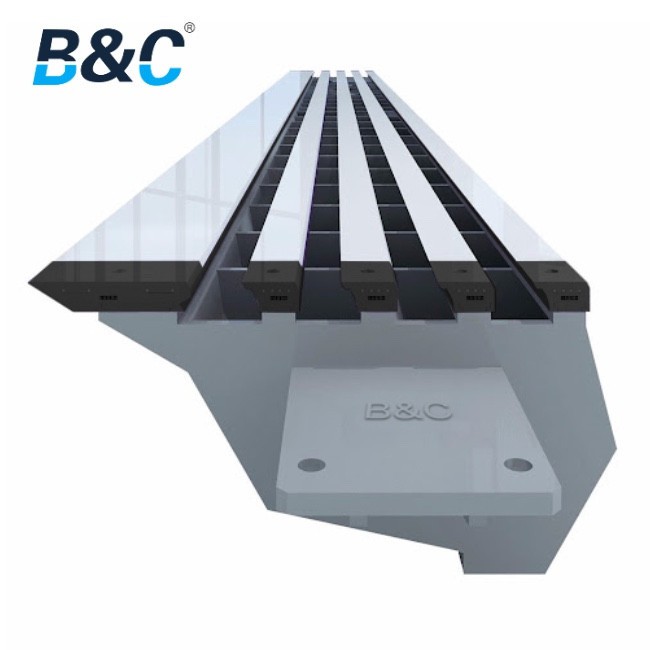
Before we discuss blade spacing, let's take a moment to understand what ceramic dewatering elements hydrofoil blades are. These blades are used in the paper - making industry for the dewatering process. The hydrofoil design is optimized to create an efficient flow of water around the blade, which facilitates the removal of water from the pulp. Ceramic materials are chosen for their high wear - resistance, smooth surface finish, and chemical inertness. This allows the blades to maintain their performance over a long period, even in harsh operating conditions.
2. The Concept of Blade Spacing
Blade spacing refers to the distance between adjacent blades in a set of hydrofoil blades. This spacing can vary depending on the specific requirements of the dewatering process. It can be adjusted during the manufacturing process or when the blades are installed in the dewatering equipment. The blade spacing is typically measured in millimeters or inches, and it can range from very narrow to relatively wide intervals.
3. Influence on Dewatering Efficiency
One of the most significant impacts of blade spacing is on dewatering efficiency. When the blade spacing is narrow, the water flow between the blades is more restricted. This creates a higher pressure gradient around the blades, which can enhance the dewatering process. The narrow spacing effectively channels the water through a smaller area, increasing the velocity of the water flow and forcing more water out of the pulp.
However, if the blade spacing is too narrow, it can lead to blockages. The pulp fibers may get trapped between the blades, reducing the overall dewatering efficiency. On the other hand, a wider blade spacing allows for a more open flow of water. This can be beneficial when dealing with pulp with a high fiber content or when a lower dewatering pressure is required. But if the spacing is too wide, the pressure gradient around the blades is reduced, and the dewatering efficiency may drop.

4. Impact on Pulp Uniformity
Blade spacing also affects the uniformity of the pulp after dewatering. Narrow blade spacing can result in a more consistent removal of water from the pulp. The high - pressure gradient created by the narrow spacing ensures that the water is evenly extracted across the width of the pulp web. This leads to a more uniform pulp density and a better - quality paper product.
In contrast, wider blade spacing may cause uneven dewatering. The water may flow more freely in some areas, while in others, the dewatering may be less effective. This can result in variations in the pulp density and may lead to defects in the final paper product, such as uneven thickness or strength.
5. Effect on Blade Wear
The blade spacing can have a direct impact on the wear of the ceramic dewatering elements hydrofoil blades. When the blade spacing is narrow, the blades are more likely to come into contact with the pulp fibers. This increased contact can cause abrasion and wear on the blade surface over time. The high - pressure flow of water between the narrow - spaced blades can also cause erosion, further reducing the lifespan of the blades.
Wider blade spacing, however, reduces the contact between the blades and the pulp fibers. This can significantly decrease the wear rate of the blades. The lower pressure flow of water also results in less erosion, allowing the blades to maintain their shape and performance for a longer period.
6. Considerations for Different Types of Blades
There are different types of ceramic dewatering blades, and the optimal blade spacing can vary for each type. For example, Ceramic Dewatering Elements Forming Board Leading Blades are used in the forming section of the paper - making process. In this section, a more consistent and uniform dewatering is required to form a well - structured paper web. A relatively narrow blade spacing may be preferred to achieve higher dewatering efficiency and better pulp uniformity.
Ceramic Dewatering Elements Deflector Strips Blades are designed to deflect the flow of water and pulp. The blade spacing for these blades needs to be carefully adjusted to ensure proper deflection and flow control. A wider blade spacing may be used to allow for a more open flow of the pulp and water mixture.
Ceramic Dewatering Elements Felt Suction Box Blades are used in the felt section to remove water from the felt. The blade spacing for these blades should be optimized to maximize the dewatering of the felt while minimizing the wear on the blades.
7. Finding the Optimal Blade Spacing
Finding the optimal blade spacing requires a balance between different factors. It depends on the characteristics of the pulp, such as its fiber content, consistency, and type. The operating conditions of the dewatering equipment, including the speed of the paper machine and the applied pressure, also play a crucial role.
In general, it is advisable to conduct trials with different blade spacings to determine the best configuration for a specific paper - making process. This can involve measuring the dewatering efficiency, pulp uniformity, and blade wear over a period of time. By analyzing the results of these trials, the most suitable blade spacing can be identified.
8. Conclusion and Call to Action
In conclusion, blade spacing is a critical factor that can significantly influence the performance of ceramic dewatering elements hydrofoil blades. It affects dewatering efficiency, pulp uniformity, and blade wear. As a supplier of these blades, we understand the importance of optimizing blade spacing for our customers' specific needs.
If you're in the paper - making industry and are looking for high - quality Ceramic Dewatering Elements Hydrofoil Blades, or if you need help in determining the optimal blade spacing for your process, we'd love to hear from you. Our team of experts is ready to assist you in making the right choices for your dewatering equipment. Contact us for a detailed discussion on how we can improve your dewatering performance and enhance the quality of your paper products.
References
- Smith, J. (2020). "Advanced Materials in Paper - Making Dewatering Equipment". Journal of Paper Science, 25(3), 123 - 135.
- Johnson, A. (2019). "Optimizing Dewatering Efficiency in the Paper Industry". International Paper Technology Review, 18(4), 45 - 53.
- Brown, R. (2021). "The Role of Blade Design in Paper - Making Dewatering". Paper Machinery Journal, 30(2), 89 - 98.