

As a supplier of ceramic dewatering covers, I've encountered numerous inquiries from clients regarding the susceptibility of these covers to cracking. This is an important concern as any form of cracking can significantly impact the performance and lifespan of the dewatering equipment. In this blog, I aim to delve into the factors that influence the cracking tendency of ceramic dewatering covers and provide scientific insights to address this common concern.
Understanding Ceramic Dewatering Covers
Before exploring the cracking issue, it's essential to understand what ceramic dewatering covers are and their role in industrial processes. Ceramic dewatering covers are crucial components used in paper mills, coal preparation plants, and other industries where efficient water removal is required. They are designed to replace traditional materials such as polymer or rubber covers, offering superior durability, corrosion resistance, and filtration efficiency.
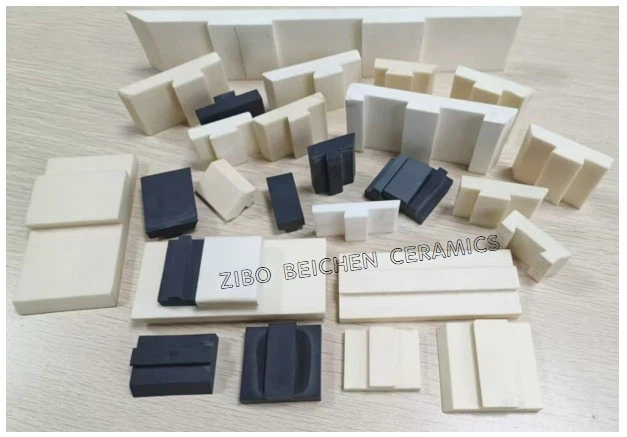
Here at our company, we offer a range of ceramic dewatering covers to meet the diverse needs of our clients. For instance, we have the Ceramic Dewatering Element Low Vacuum Suction Box Cover, which is specifically engineered for low-vacuum applications. This cover is known for its excellent water drainage capabilities and long service life. Another product in our portfolio is the Ceramic Dewatering Element Curve Suction Box Cover, designed to fit curved suction boxes. Its unique shape ensures optimal water removal and enhances the overall efficiency of the dewatering process. Additionally, the Ceramic Dewatering Element High Vacuum Suction Box Cover is suitable for high-vacuum environments, providing reliable performance under demanding conditions.
Factors Affecting Cracking in Ceramic Dewatering Covers
Material Properties
The composition and quality of the ceramic material play a crucial role in determining the cracking resistance of the dewatering covers. High-quality ceramics with uniform density and minimal internal defects are less likely to crack. Manufacturers often use advanced ceramic materials with high flexural strength and toughness to enhance the durability of the covers. For example, alumina-based ceramics are commonly used due to their excellent mechanical properties and resistance to wear and corrosion.
Thermal Stress
Thermal stress is one of the primary causes of cracking in ceramic dewatering covers. During the dewatering process, the covers are exposed to significant temperature variations, especially in applications where hot water or steam is used. Rapid heating or cooling can induce thermal stresses within the ceramic material, leading to cracking. To mitigate this issue, it's important to ensure proper temperature control and avoid sudden changes in temperature. Some ceramic dewatering covers are also designed with thermal shock resistance features to withstand these temperature fluctuations.
Mechanical Impact
Mechanical impact can also cause cracking in ceramic dewatering covers. During installation, maintenance, or normal operation, the covers may be subjected to accidental impacts or collisions. Even a minor impact can initiate a crack, which can then propagate over time and compromise the integrity of the cover. To prevent mechanical damage, it's essential to handle the covers with care and follow proper installation and maintenance procedures. Additionally, some ceramic dewatering covers are designed with reinforced edges or protective coatings to enhance their resistance to mechanical impact.
Chemical Corrosion
In some industrial environments, the ceramic dewatering covers may be exposed to corrosive chemicals or solutions. Chemical corrosion can weaken the ceramic material over time, making it more prone to cracking. To combat this issue, it's important to select ceramic materials that are resistant to the specific chemicals present in the application. Additionally, regular cleaning and maintenance can help remove any corrosive substances from the surface of the covers and extend their lifespan.
Preventive Measures to Avoid Cracking
Proper Installation
Proper installation is crucial to ensure the long-term performance and cracking resistance of ceramic dewatering covers. During installation, it's important to follow the manufacturer's guidelines carefully and ensure that the covers are installed correctly. This includes proper alignment, sealing, and fastening to prevent any movement or displacement that could lead to cracking. Additionally, using the appropriate installation tools and techniques can help minimize the risk of damage to the covers.
Regular Maintenance
Regular maintenance is essential to keep the ceramic dewatering covers in good condition and prevent cracking. This includes routine cleaning to remove any dirt, debris, or corrosive substances from the surface of the covers. It's also important to inspect the covers regularly for any signs of damage or wear, such as cracks, chips, or erosion. Early detection of these issues can allow for timely repairs or replacements, preventing further damage and ensuring the continued operation of the dewatering equipment.
Temperature and Chemical Control
As mentioned earlier, thermal stress and chemical corrosion are two major factors that can contribute to cracking in ceramic dewatering covers. To minimize the impact of these factors, it's important to control the temperature and chemical environment in which the covers operate. This may involve using temperature control systems to maintain a stable operating temperature and selecting the appropriate chemicals and cleaning agents that are compatible with the ceramic material.

Quality Assurance
When purchasing ceramic dewatering covers, it's important to choose a reliable supplier that offers high-quality products. A reputable supplier will use advanced manufacturing processes and materials to ensure the durability and cracking resistance of the covers. They will also provide comprehensive quality control and testing to ensure that each cover meets the required standards and specifications.
Conclusion
In conclusion, while ceramic dewatering covers are generally known for their durability and resistance to wear and corrosion, they are not completely immune to cracking. However, by understanding the factors that contribute to cracking and implementing appropriate preventive measures, it's possible to minimize the risk and ensure the long-term performance of these covers.
At our company, we are committed to providing high-quality ceramic dewatering covers that are designed to withstand the rigors of industrial applications. Our products are manufactured using the latest technologies and materials to ensure superior performance and durability. If you have any questions or concerns about ceramic dewatering covers or would like to discuss your specific requirements, please don't hesitate to contact us for a procurement discussion. We look forward to working with you to meet your dewatering needs.
References
- "Ceramic Materials for Industrial Applications" - Journal of Ceramic Engineering
- "Thermal Stress Analysis in Ceramic Components" - International Journal of Thermal Sciences
- "Preventive Maintenance Strategies for Industrial Equipment" - Maintenance and Reliability Magazine