

Ceramic dewatering covers play a crucial role in various industrial processes, especially in the paper and pulp industry. As a supplier of these high - quality products, I often get asked whether ceramic dewatering covers require maintenance. In this blog, I'll delve into this question and provide a comprehensive answer based on scientific knowledge and practical experience.

Understanding Ceramic Dewatering Covers
Before discussing maintenance, it's essential to understand what ceramic dewatering covers are and how they function. Ceramic dewatering covers are used in suction boxes during the papermaking process. They are designed to efficiently remove water from the pulp web, which is a critical step in paper production. The unique properties of ceramics, such as high porosity, wear resistance, and chemical stability, make them ideal for this application.
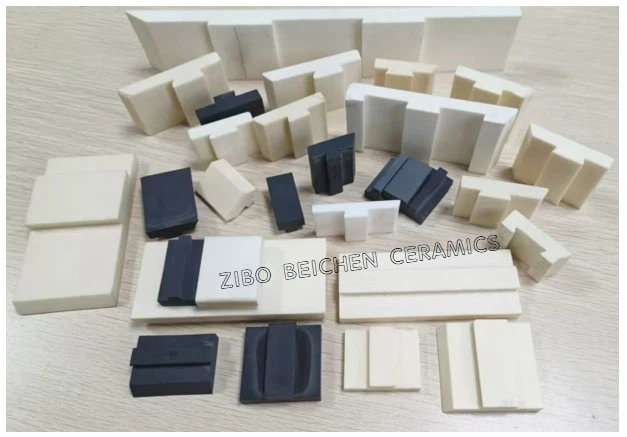
There are different types of ceramic dewatering covers available, each tailored to specific requirements. For instance, the Ceramic Dewatering Element High Vacuum Suction Box Cover is designed for high - vacuum environments, where rapid water removal is necessary. The Ceramic Dewatering Element Felt Suction Box Cover is often used in conjunction with felts to enhance the dewatering process. And the Ceramic Dewatering Element Low Vacuum Suction Box Cover is suitable for applications where lower vacuum levels are required.
Do They Require Maintenance?
The short answer is yes, ceramic dewatering covers do require maintenance. Although ceramics are known for their durability, they are not immune to the effects of continuous use in industrial environments. Here are some reasons why maintenance is necessary:
1. Clogging
Over time, the pores in ceramic dewatering covers can become clogged with pulp fibers, fines, and other debris. This clogging reduces the porosity of the cover, which in turn decreases its dewatering efficiency. As a result, the production process may slow down, and the quality of the final product may be affected. Regular cleaning is essential to prevent clogging and maintain optimal performance.
2. Wear and Tear
In a high - speed papermaking process, the ceramic dewatering covers are constantly in contact with the pulp web and other moving parts. This can cause wear and tear on the surface of the covers. Minor scratches and abrasions may not immediately affect performance, but over time, they can lead to more significant damage, such as cracking or chipping. Inspecting the covers regularly for signs of wear and replacing them when necessary is crucial to avoid production disruptions.
3. Chemical Exposure
The pulp used in papermaking often contains various chemicals, such as bleaching agents and dyes. These chemicals can react with the ceramic material over time, causing corrosion or other chemical damage. Proper chemical management and periodic cleaning can help mitigate the effects of chemical exposure and extend the lifespan of the covers.
Maintenance Strategies
Regular Cleaning
Cleaning is the most basic form of maintenance for ceramic dewatering covers. There are several methods available, depending on the severity of the clogging.
- Water Flushing: For light clogging, simply flushing the covers with high - pressure water can be effective. This can remove loose debris and some of the fibers that have accumulated in the pores.
- Chemical Cleaning: In cases of more stubborn clogging, chemical cleaners may be required. However, it's important to choose cleaners that are compatible with the ceramic material to avoid damage. Chemical cleaning should be done according to the manufacturer's instructions and at appropriate intervals.
Inspection
Regular inspection is key to identifying potential problems early. Visual inspections can reveal signs of wear, cracking, or chipping. Additionally, measuring the porosity of the covers can provide valuable information about their performance. If the porosity has decreased significantly, it may be a sign that the covers need to be cleaned or replaced.
Replacement
Despite proper maintenance, ceramic dewatering covers will eventually reach the end of their lifespan. The frequency of replacement depends on several factors, such as the operating conditions, the quality of the covers, and the maintenance practices. It's important to have a replacement schedule in place to ensure continuous production.
Benefits of Proper Maintenance
Proper maintenance of ceramic dewatering covers offers several benefits:
1. Improved Efficiency
By keeping the covers clean and in good condition, their dewatering efficiency can be maintained at a high level. This means faster production speeds and better quality paper products.
2. Extended Lifespan
Regular maintenance can significantly extend the lifespan of the covers. This reduces the frequency of replacements, which in turn saves costs for the end - user.

3. Reduced Downtime
Identifying and addressing potential problems early through maintenance can prevent unexpected breakdowns and production stoppages. This ensures a more reliable and continuous production process.
Conclusion
In conclusion, ceramic dewatering covers do require maintenance to ensure optimal performance and longevity. As a supplier, I understand the importance of providing not only high - quality products but also guidance on how to maintain them. By implementing regular cleaning, inspection, and replacement strategies, end - users can maximize the benefits of using ceramic dewatering covers.
If you're interested in learning more about our ceramic dewatering covers or have any questions regarding their maintenance, please feel free to contact us. We're here to assist you in finding the best solutions for your industrial dewatering needs.

References
- "Handbook of Pulp and Paper Technology", Various Authors
- "Ceramic Materials in Industrial Applications", Journal of Ceramic Engineering and Science
- Industry - specific technical reports on papermaking processes and dewatering equipment.