

As a supplier of Ceramic Dewatering Element Flat Suction Box Covers, I've witnessed firsthand the critical role these components play in the pulp and paper industry. In this blog, I'll delve into how a ceramic dewatering element flat suction box cover interacts with the suction system, exploring the science behind it, its benefits, and practical considerations.
The Basics of the Suction System
Before we dive into the interaction, let's briefly understand the suction system in a paper machine. The suction system is designed to remove water from the wet paper web as it moves along the machine. It consists of suction boxes, vacuum pumps, and associated piping. The suction boxes are placed beneath the wire where the paper web is formed, and they create a pressure difference that draws water through the wire and into the suction boxes.
How the Ceramic Dewatering Element Flat Suction Box Cover Fits In
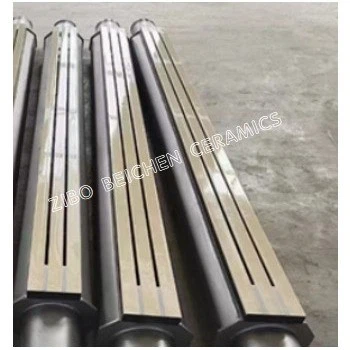
The Ceramic Dewatering Element Flat Suction Box Cover is a key component of the suction box. It is placed on top of the suction box and comes into direct contact with the wet paper web. The cover is made of high - quality ceramic material, which offers several unique properties that enhance the dewatering process.
Interaction at the Surface Level
When the wet paper web passes over the ceramic dewatering element flat suction box cover, the vacuum created by the suction system pulls water through the pores of the ceramic cover. The ceramic material has a precisely controlled pore size distribution. This allows for efficient water removal while preventing the fibers from being sucked into the suction box. The flat surface of the cover ensures uniform contact with the paper web, promoting even dewatering across the width of the web.
Pressure and Flow Dynamics
The suction system generates a negative pressure inside the suction box. The ceramic cover acts as a barrier that regulates the flow of water into the box. The design of the cover, including its thickness and porosity, affects the pressure drop across it. A well - designed cover will maintain an optimal pressure drop that maximizes water removal without causing excessive turbulence or fiber loss.
The interaction between the cover and the suction system also involves the management of air flow. As water is removed from the paper web, air is drawn in through the cover. The ceramic material can resist the erosive effects of the high - velocity air and water mixture, ensuring long - term performance.
Benefits of the Interaction
Enhanced Dewatering Efficiency
The precise pore size and flat surface of the ceramic dewatering element flat suction box cover work in tandem with the suction system to achieve high dewatering efficiency. By allowing water to pass through quickly and evenly, the cover helps to reduce the moisture content of the paper web at an early stage in the papermaking process. This, in turn, reduces the load on the subsequent drying sections, saving energy and increasing production speed.
Fiber Retention
One of the challenges in the dewatering process is to remove water without losing valuable fibers. The ceramic cover's ability to separate water from fibers is crucial. The small and uniform pores prevent fibers from passing through, while the flat surface minimizes the risk of fiber entanglement and loss. This results in a higher quality paper product with better strength and consistency.
Durability and Low Maintenance
The ceramic material used in the cover is highly resistant to wear, corrosion, and chemical attack. This means that the cover can withstand the harsh operating conditions of the paper machine for an extended period. Compared to traditional suction box covers made of other materials, the ceramic cover requires less frequent replacement and maintenance, reducing downtime and overall operating costs.
Different Types of Ceramic Dewatering Element Covers and Their Interaction
In addition to the flat suction box cover, there are other types of ceramic dewatering element covers, such as the Ceramic Dewatering Element Low Vacuum Suction Box Cover and the Ceramic Dewatering Element Felt Suction Box Cover.
The low - vacuum suction box cover is designed for applications where a lower vacuum level is required. It interacts with the suction system in a way that still achieves efficient dewatering at reduced energy consumption. The felt suction box cover, on the other hand, is used in areas where a more gentle dewatering process is needed, such as near the felt section of the paper machine. It provides a softer contact surface and helps to protect the felt from damage while removing water.
Practical Considerations for Interaction
Installation and Alignment
Proper installation and alignment of the ceramic dewatering element flat suction box cover are essential for its effective interaction with the suction system. The cover must be correctly positioned on the suction box to ensure a tight seal and uniform pressure distribution. Any misalignment can lead to uneven dewatering, increased fiber loss, and reduced efficiency.
Monitoring and Maintenance
Regular monitoring of the suction system and the cover is necessary to ensure optimal performance. This includes checking the vacuum levels, pressure drops, and the condition of the cover. If the cover shows signs of wear or damage, it should be replaced promptly to prevent any negative impact on the dewatering process.

Compatibility with Other Components
The ceramic dewatering element flat suction box cover must be compatible with other components of the suction system, such as the vacuum pumps and piping. The design of the cover should be coordinated with the overall system to ensure that it works in harmony with the other elements.
Conclusion
The interaction between a ceramic dewatering element flat suction box cover and the suction system is a complex yet crucial aspect of the papermaking process. The unique properties of the ceramic material, combined with the design of the cover, enable efficient water removal, fiber retention, and long - term durability. Whether you are using a flat suction box cover, a low - vacuum cover, or a felt cover, understanding how these components interact with the suction system is key to achieving high - quality paper production.
If you are interested in learning more about our Ceramic Dewatering Element Flat Suction Box Covers or other related products, and would like to discuss your specific requirements for procurement, please feel free to reach out. We are committed to providing you with the best solutions for your papermaking needs.
References
- "Papermaking Science and Technology" by G.A. Smook
- Technical reports from leading ceramic material manufacturers in the papermaking industry
- Industry research papers on dewatering processes in paper machines